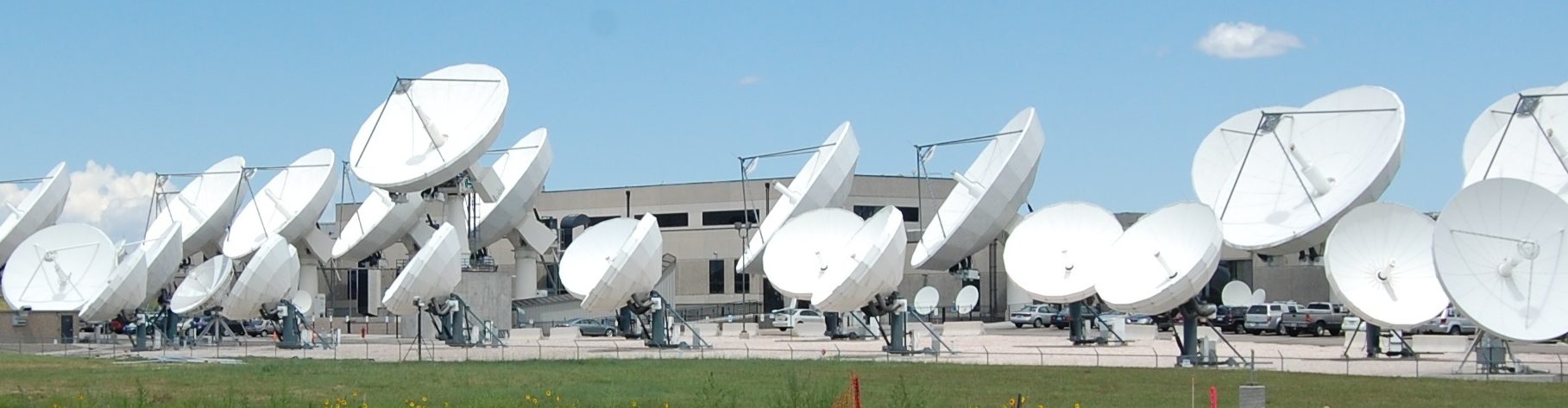
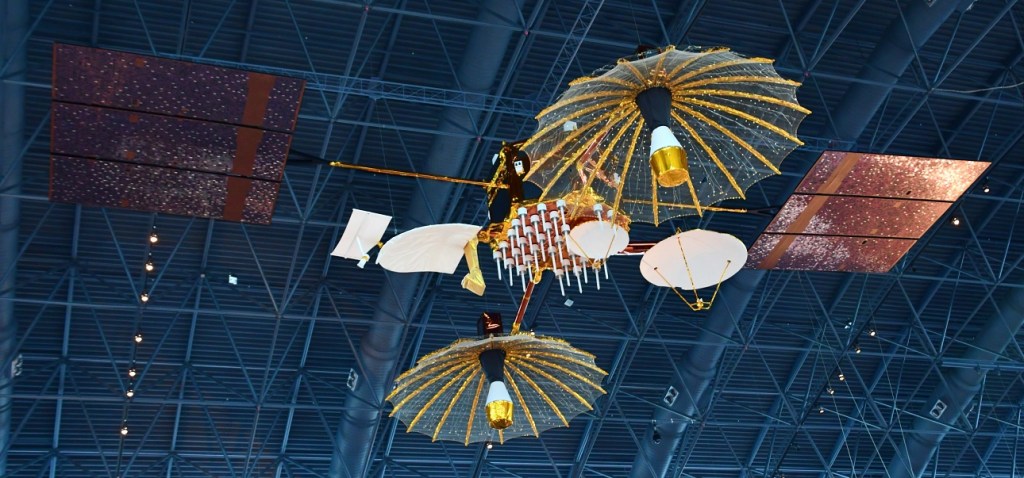
Steve started working with satellites in 1986, supporting NASA’s first Tracking and Data Relay Satellite (TDRS-A) at the White Sands Ground Terminal. There, he worked on the command and telemetry processing software to control the satellite from the ground station. He was working to support TDRS-B when the Challenger accident occurred. The experiences from the TDRS program led to the other satellite projects found on this page.
3 Corner Satellite
The 3 Corner Satellite (3CS) was part of the Air Force Research Laboratory’s (AFRL) University Nanosatellite Program and was the first satellite project with a launch attempt for the program. 3CS was designed from its conception as a team effort involving Arizona State University, Colorado University, Boulder, and New Mexico State University. The original configuration was to have three satellites launched from a Space Shuttle.
Steve lead the design of the telecommunications concept for the satellite. The initially proposed method was to use Iridium satellites for the telecommand and telemetry links. That was not possible, so NMSU designed a flight radio consisting of two Kenwood TH-D7 radios to be used for telecommand and telemetry and inter-satellite communications. Steve was also the 3CS spectrum coordinator with the Air Force spectrum manager.
The team completed the design, acceptance testing, and shuttle safety review process. They were awaiting the shuttle manifest assignment when the Columbia accident happened, and NASA decided to stop these types of launches from the shuttle.
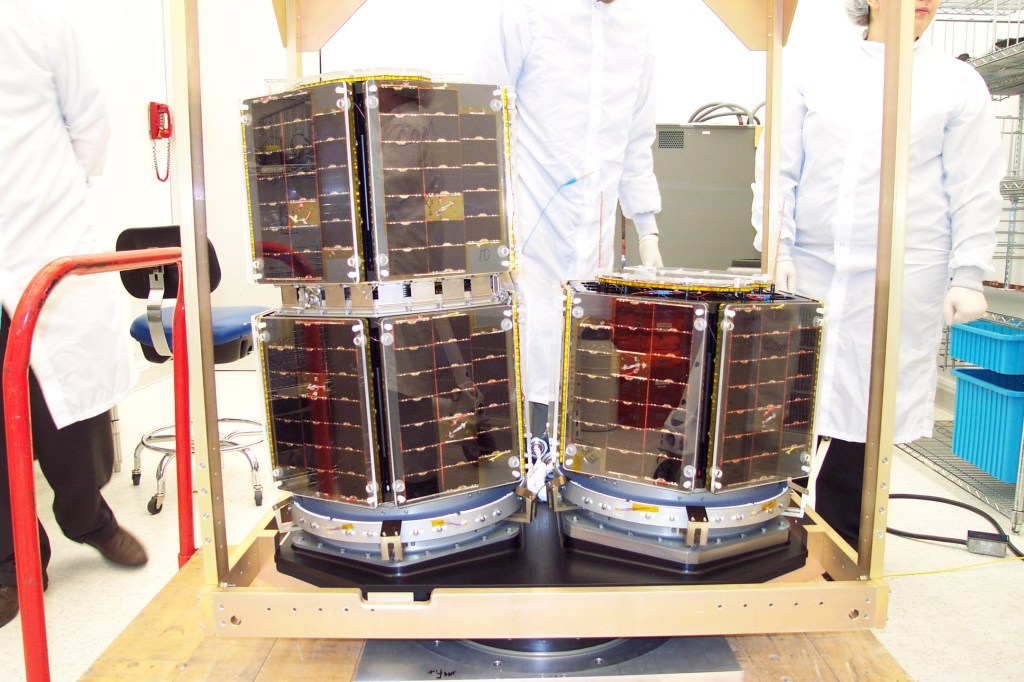
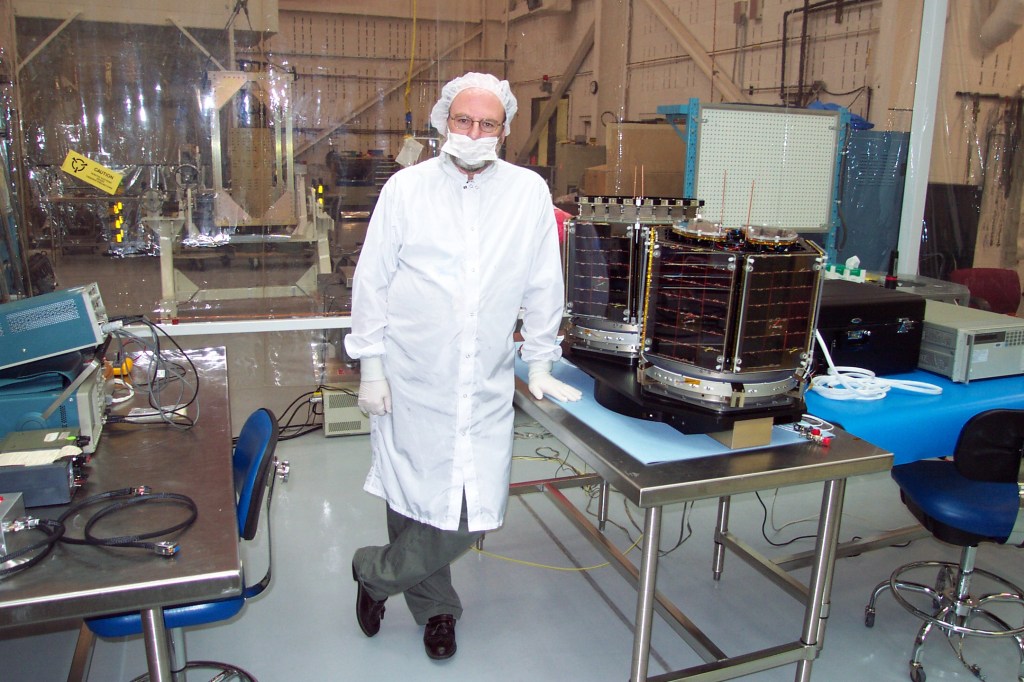
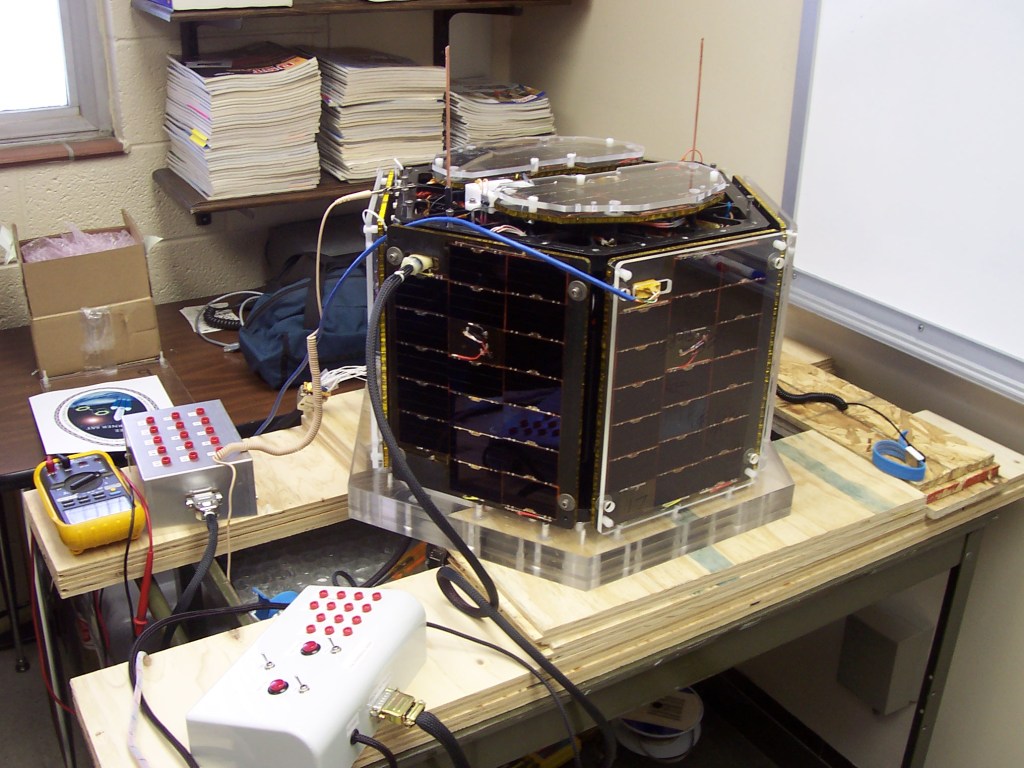
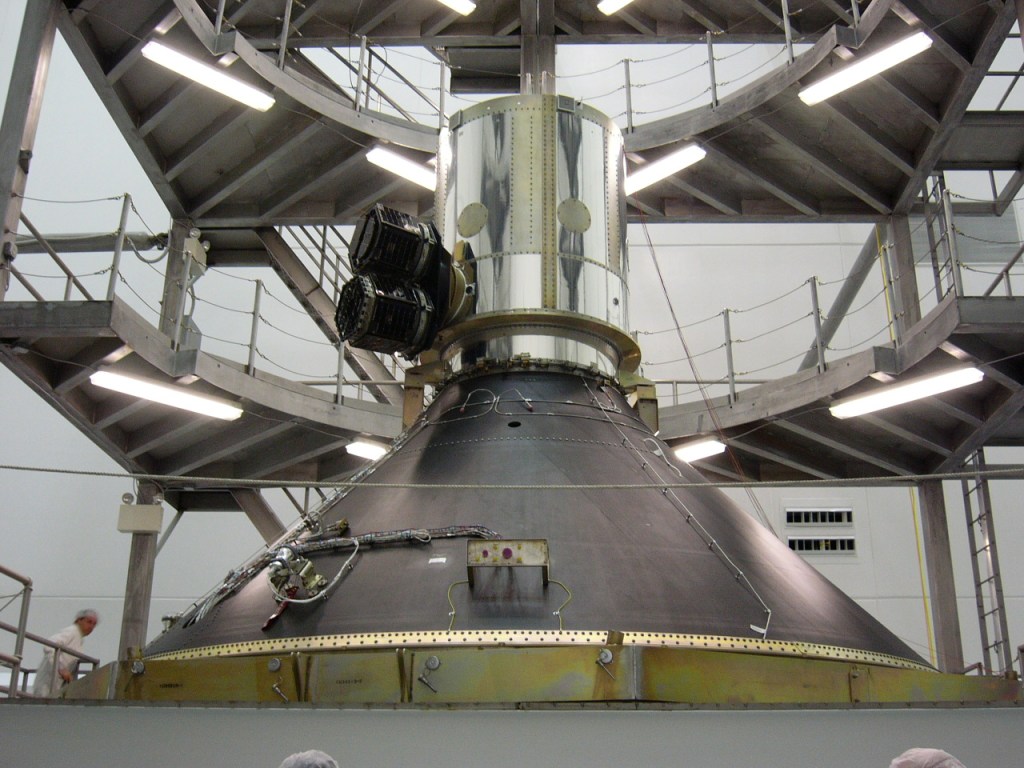
With the new reality, AFRL decided to find an alternative launch opportunity. In this case, only two of the satellites would go: Ralphie (CU) and Sparkie (ASU). Petey (NMSU) would stay home and act as a test article. Eventually, Petey was transferred to the Smithsonian. AFRL was able to secure a ride as part of the initial Delta IV-Heavy flight. The launch was in December 2004. Due to the planned launch configuration, 3CS was expected to be in orbit for only a few days. However, the initial stage did not place the satellites into orbit and they came back into the Atlantic.
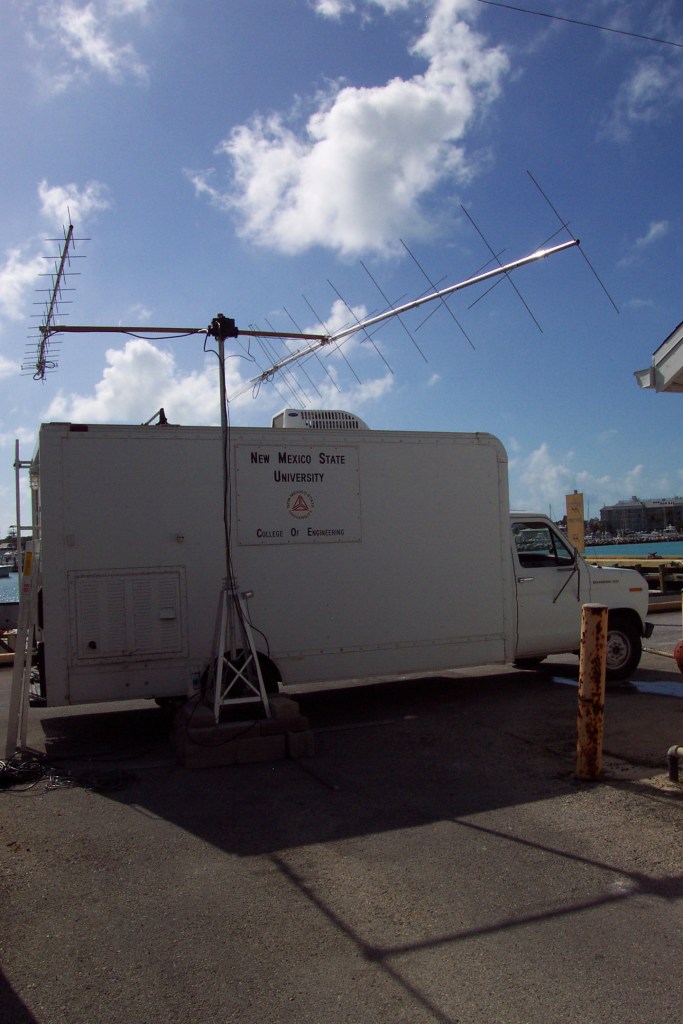
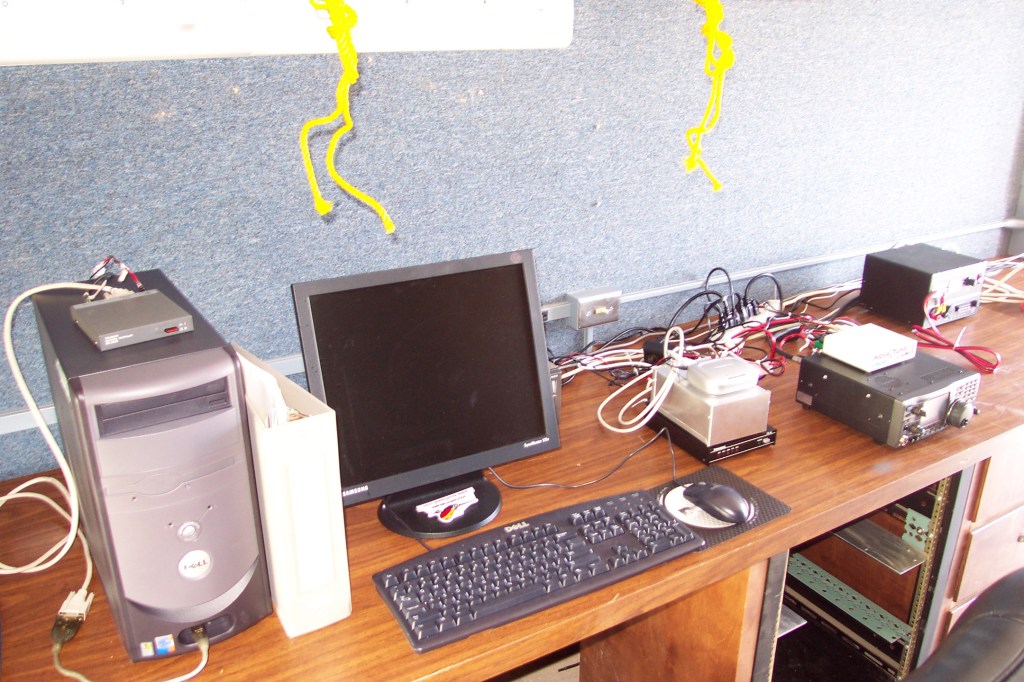
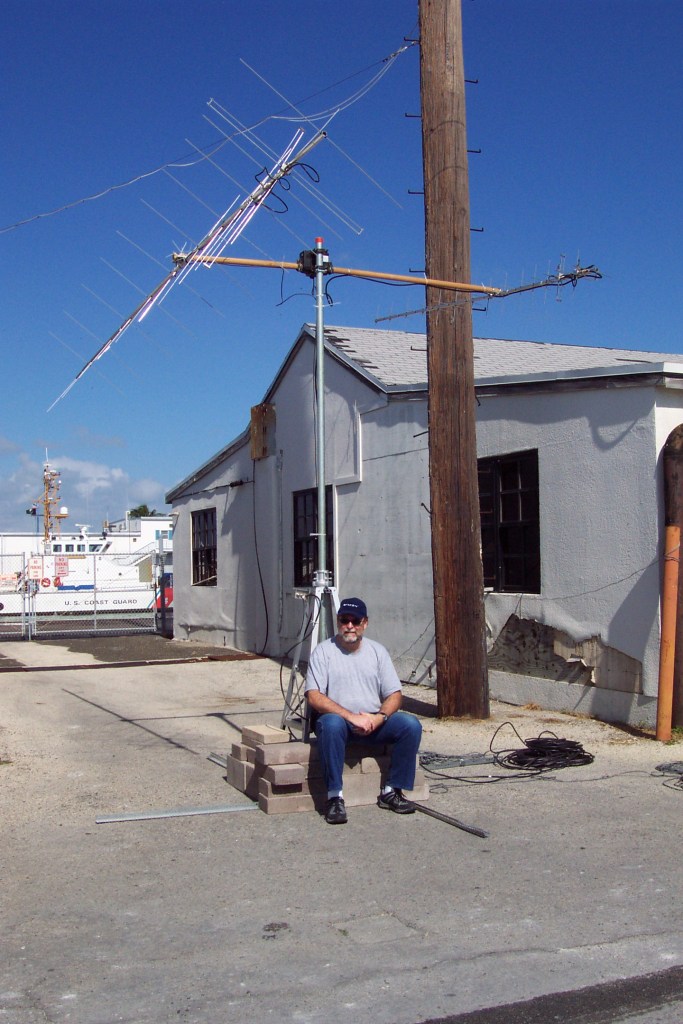
To support the Delta IV launch, AFRL funded NMSU to produce a portable ground station to be placed in Key West, Florida to cover the early orbits. Steve led the NMSU team in producing the ground station based on amateur radio technologies for tracking amateur satellites. The ground station was connected by landline to NMSU’s internet point of presence. From there, the data could be transferred to CU over the internet for satellite operations.
NMSUSat
The team at NMSU continued small satellite development after the 3CS mission. They based their design on the concepts from 3CS to form the NMSUSat. The science portion of the mission was to perform a test of the background UV radiation in order to design a cosmic ray detection experiment. The telecommunications design was the same as the 3CS design. This development continued for two cycles as part of the University Nanosat program.
BalloonSat
The Air Force did not choose the NMSUSat for flight. However, to test the hardware and operational concepts, the NMSU team did gain access to a NASA balloon test flight originating in Fort Sumner, NM. This was now named the BalloonSat mission. This mission used the same flight radios and the portable ground station antennas from the 3CS project. The ground station radio was now a Kenwood TM-D700 to support digital telecommand and telemetry links over the APRS protocol. The results of the flight were published in the Journal of Small Satellites.
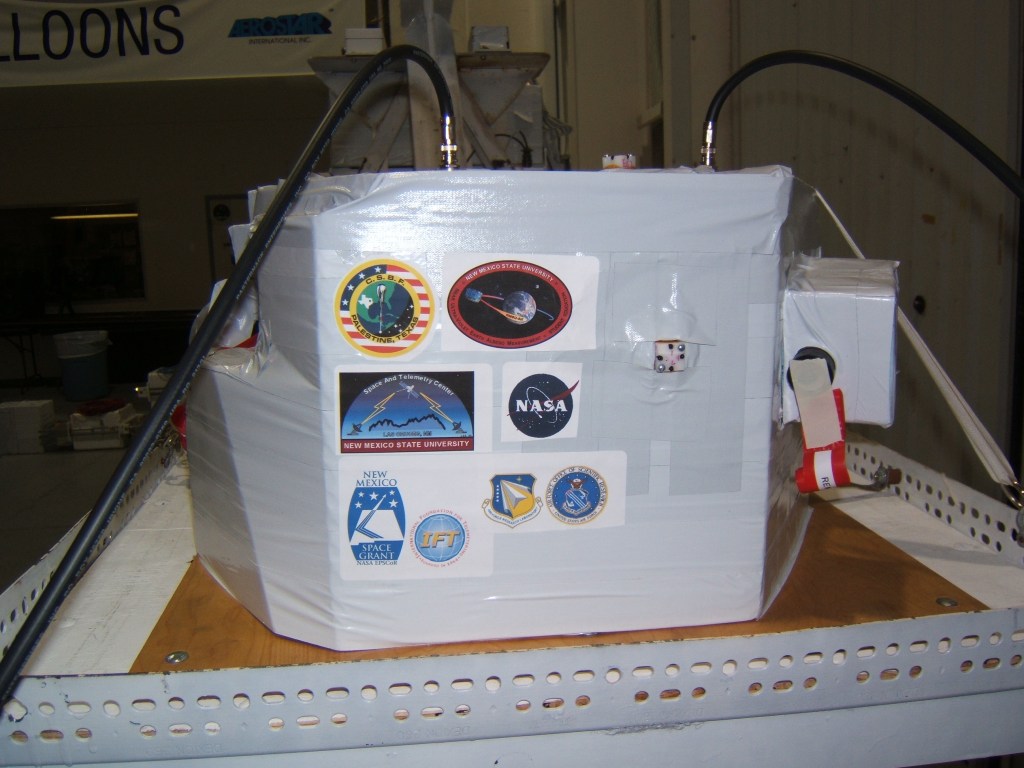
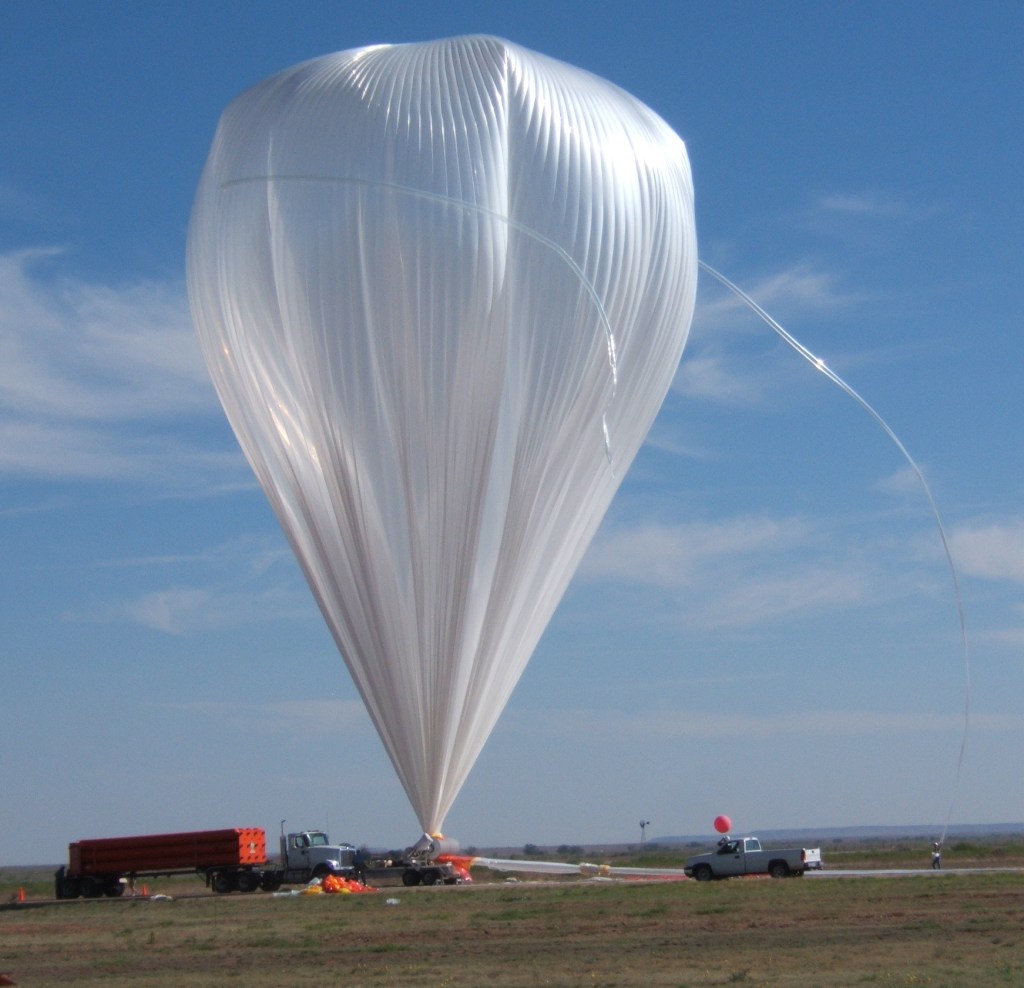
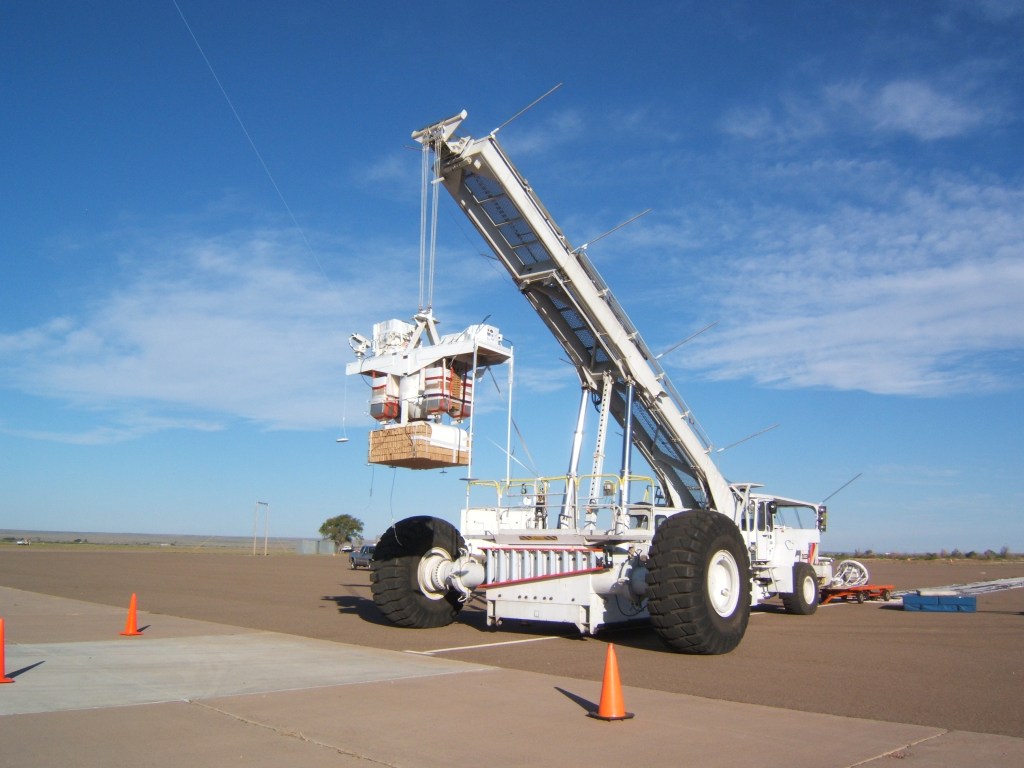
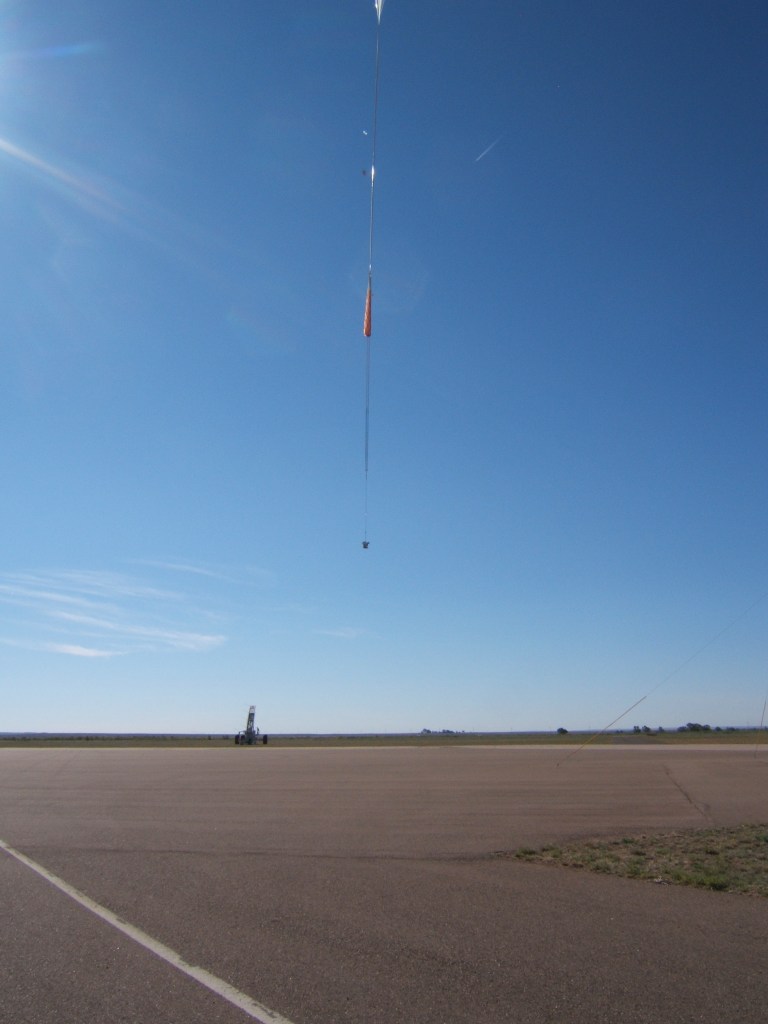
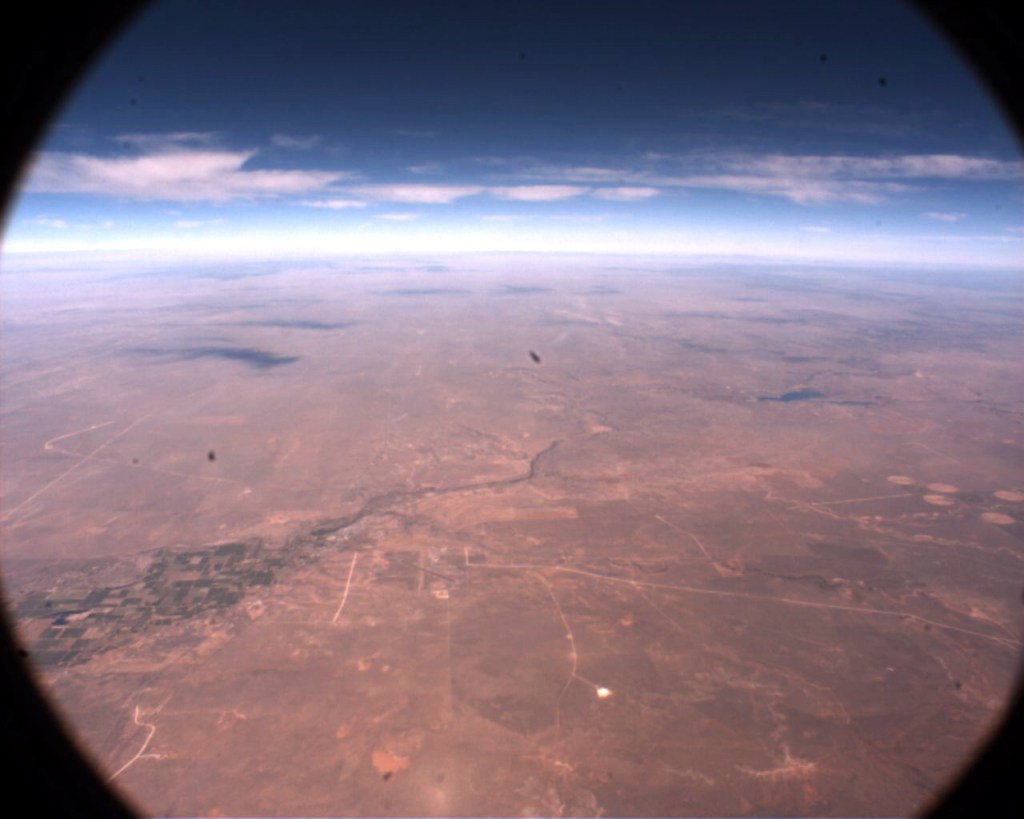
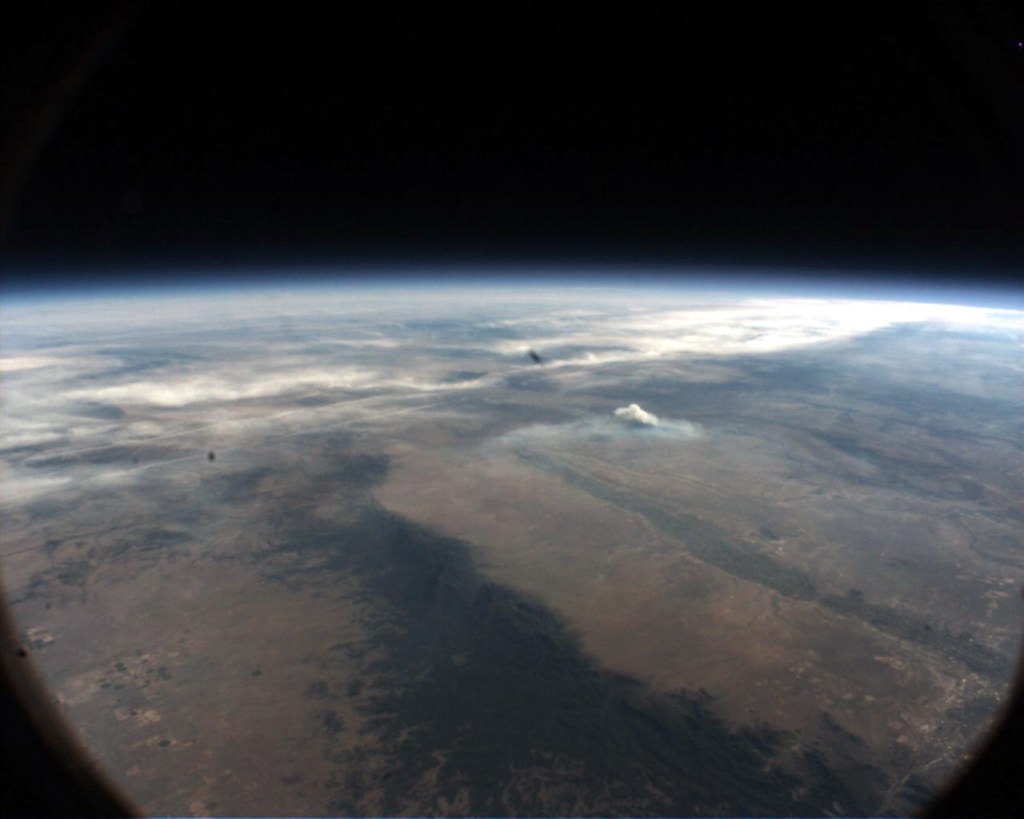
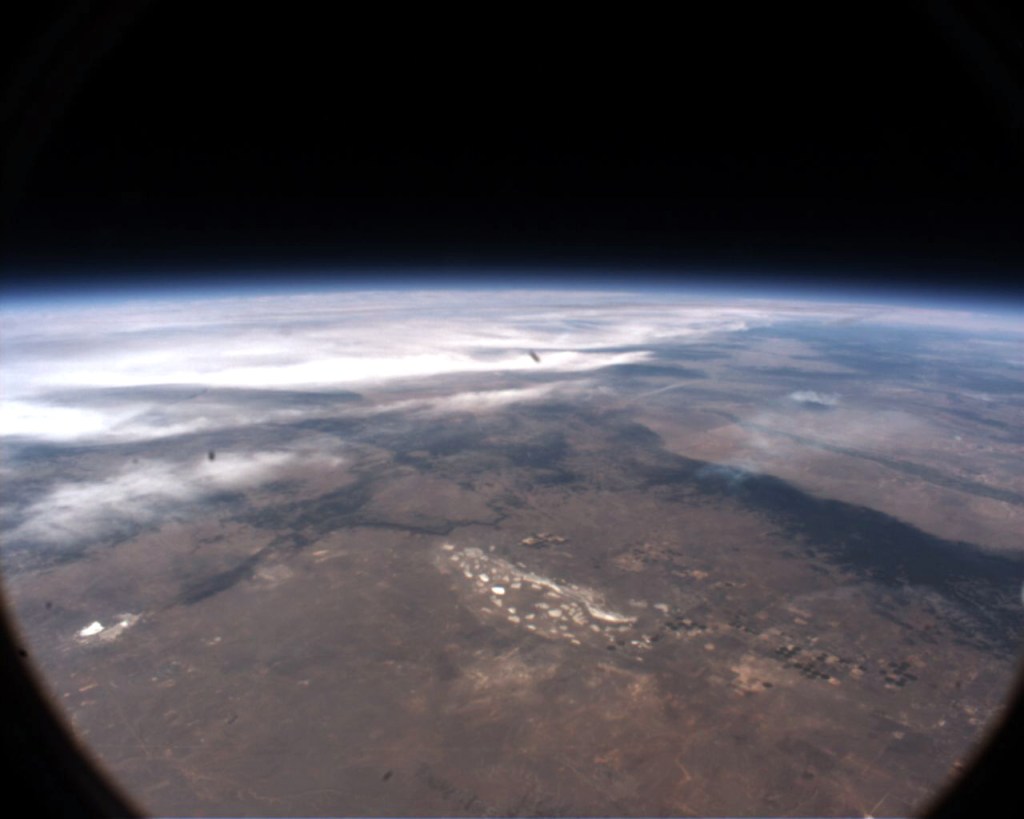
During the flight, the payload was controlled from a control station at Fort Sumner. The control operator was either at Fort Sumner or connected to the ground station over the internet from the NMSU campus. In addition to controlling the science mission, Steve also commanded several pictures to be taken during the flight.
RaD-X
When Steve joined NASA’s Langley Research Center (LaRC) in 2009, he brought some of the concepts from NMSU with him. In particular, NASA was looking for concepts to engage early-career engineers and scientists in developing flight projects. Steve used the NMSU experience to help the LaRC team to develop the Radiation Dosimetry Experiment (RaD-X) mission. Using the high-altitude balloon from NASA Wallops flying out of Fort Sumner and using the Iridium constellation for real-time telecommand and telemetry linking back to the control center were all inspired the NMSU BalloonSat experience. The flight was successfully executed in September 2015.
CubeQuest
As part of Steve’s work for the Space Technology Mission Directorate at NASA Headquarters, he supported the development of the CubeQuest Centennial Challenge. This challenge was to pick up to three small satellites to operate in either lunar orbit or deep space. Prizes would be awarded for the winners in each mode. Steve did initial analysis to provide proof-of-concept support, helped design the Challenge rules, especially the telecommunications portion, and helped judge the participants to select the projects to obtain a slot on the Artemis-1 flight.
Satellite Communications Concepts
Cell Phones for Command and Telemetry
As mentioned above with the 3 Corner Satellite, Steve did extensive modeling and simulation of the potential for using commercial satellite constellations to support satellite telemetry and telecommand operations. He used Satellite Tool Kit to model the constellations and the small satellite orbits. His studies used the Iridium and Globalstar constellations. The small satellite orbits covered a variety of orbits including sun-synchronous orbits to 700 km altitude.
Using the Space Network
At the request of NASA, Steve undertook a study of the potential for using the TDRS to support telecommand and telemetry operations for small satellites. The analysis showed that by trading off data rate for contact time, significant data throughput is achievable. Steve worked with engineers at the Goddard Space Flight Center and the TDRS ground station personnel to simulate this type of contact by using the EUVE satellite with its antenna pointing to the zenith.
Demand Assignment
At the request of NASA, Steve and his graduate students undertook a study of a potential concept for a demand-assignment scheduling method for TDRS users. The idea was to enable a user to “dial-up” TDRS multiple access services over an “order-wire” channel much as cell phones request access to the cellular network. The results were turned over to NASA for further consideration.
Mars Wireless
The Telemetering Center faculty members at NMSU were funded by NASA to study the potential for using commercial-type Wi-Fi networking on Mars. The concept of operations was to have a rover with an antenna approximately 1 meter above the surface communicate back to a fixed base station. The team modified standard cell phone planning software for Martian conditions and utilized digital maps of the surface to model how far a signal would travel and what types of surface features would block the signal. The simulations were also verified by using the desert around NMSU to measure the predicted signal strengths. Very good agreement between predictions and measurements was discovered.
Advanced Communications Technology Satellite (ACTS)
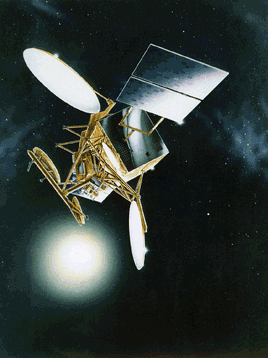
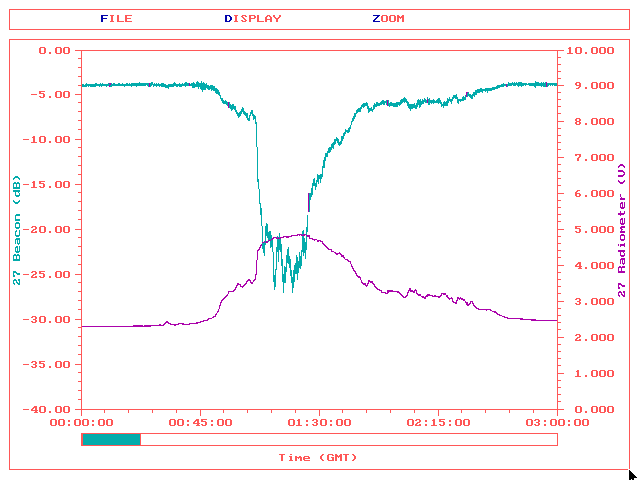
Steve was involved with NASA’s Advanced Communications Technology Satellite (ACTS) in two ways: as a T1 VSAT experimenter and as a member of the propagation experiment community. The T1 VSAT experiment was used to test internet protocols over a GEO distance delay. The propagation experiment was to gather Ka-band propagation data for nearly 10 years.
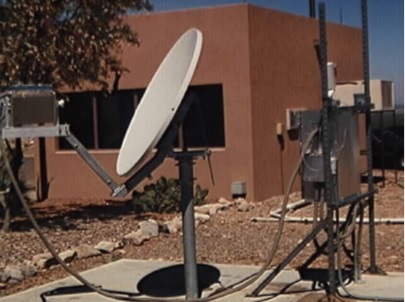
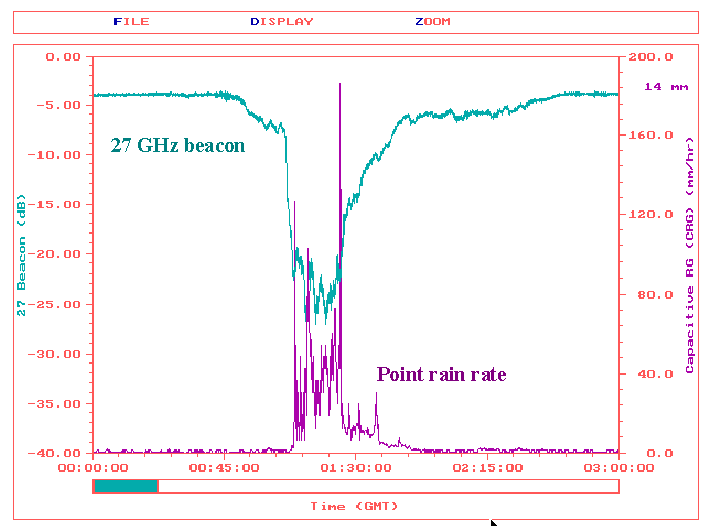
The New Mexico ACTS Propagation Terminal (APT) team collecting data at the TDRS ground terminal. The team used the standard 1-meter Ka Band dish. The NMSU personnel collected the data, performed the initial processing, and calibrated the equipment. The propagation measurements determined the depth of rain fades with the rain rate and the associated increase in the sky temperature.
 Radio Adventures